SABREEN HAJ AHMAD

Palestine
SABREEN HAJ AHMAD
2025
Espacios: Nave Oporto Paisanaje

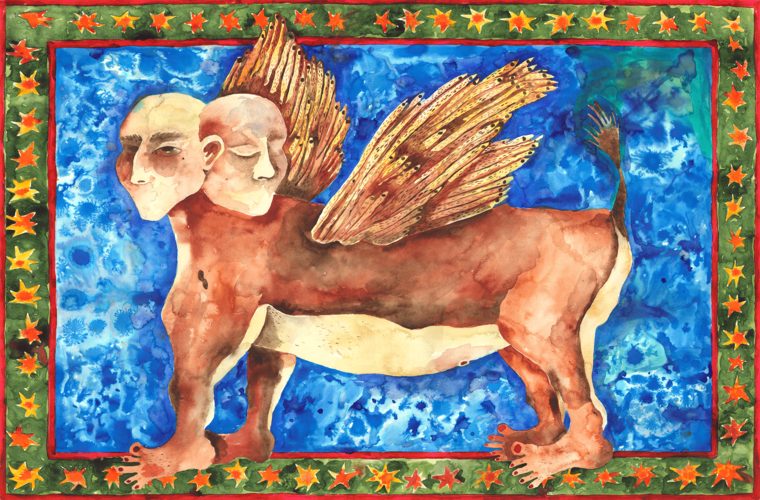
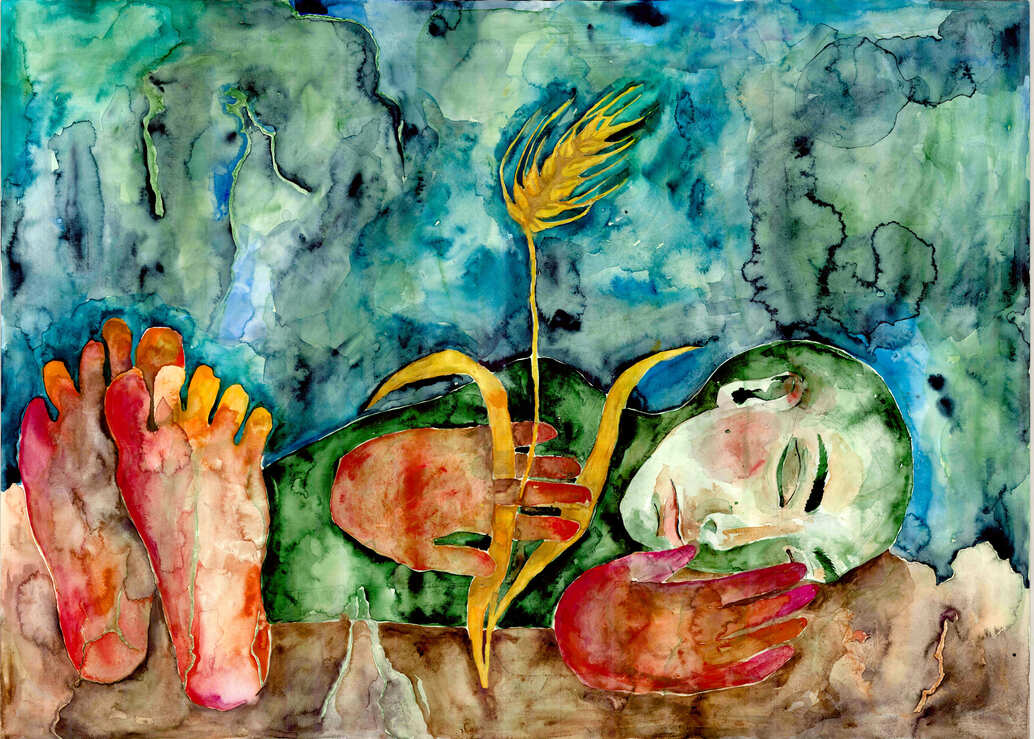
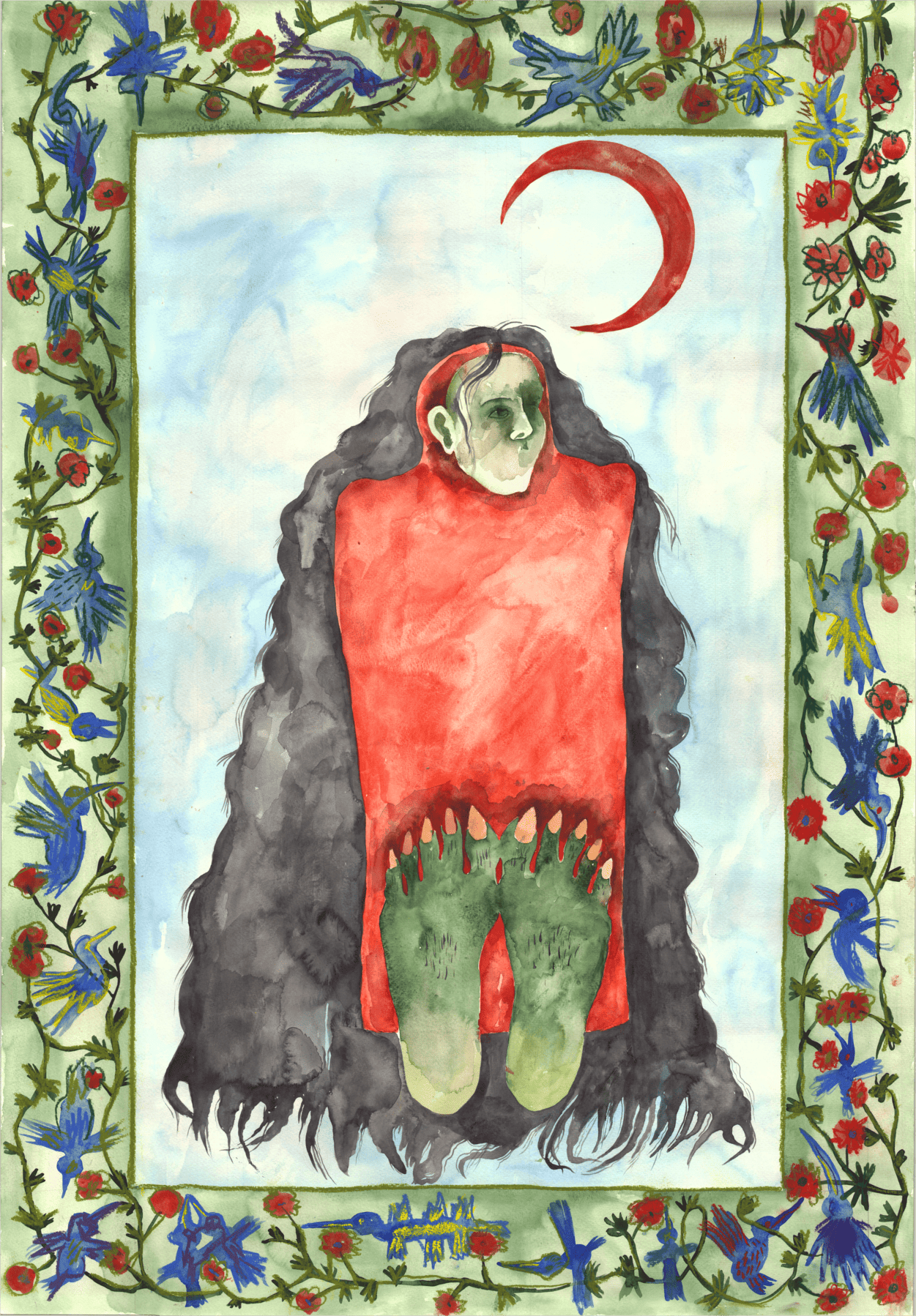
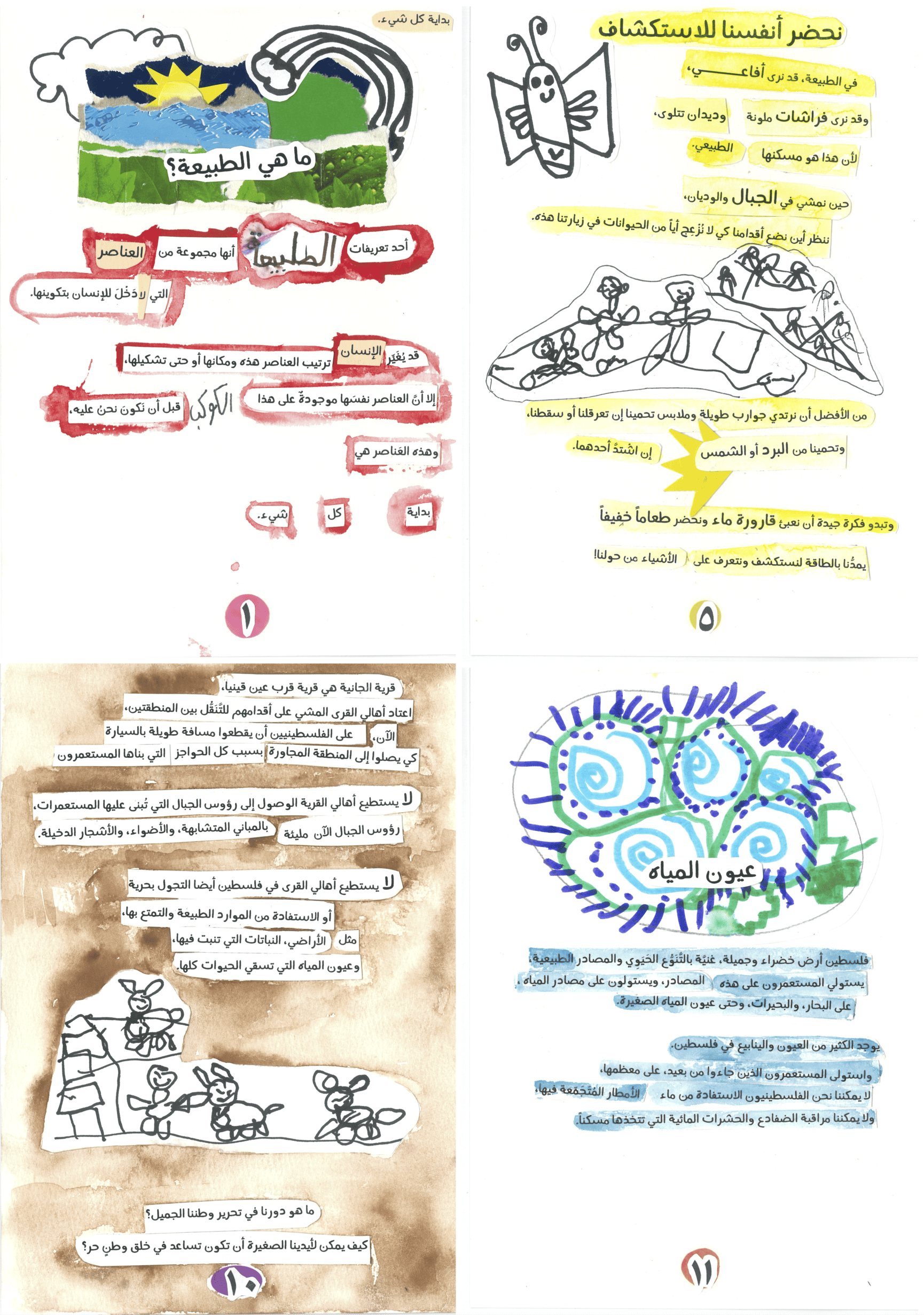
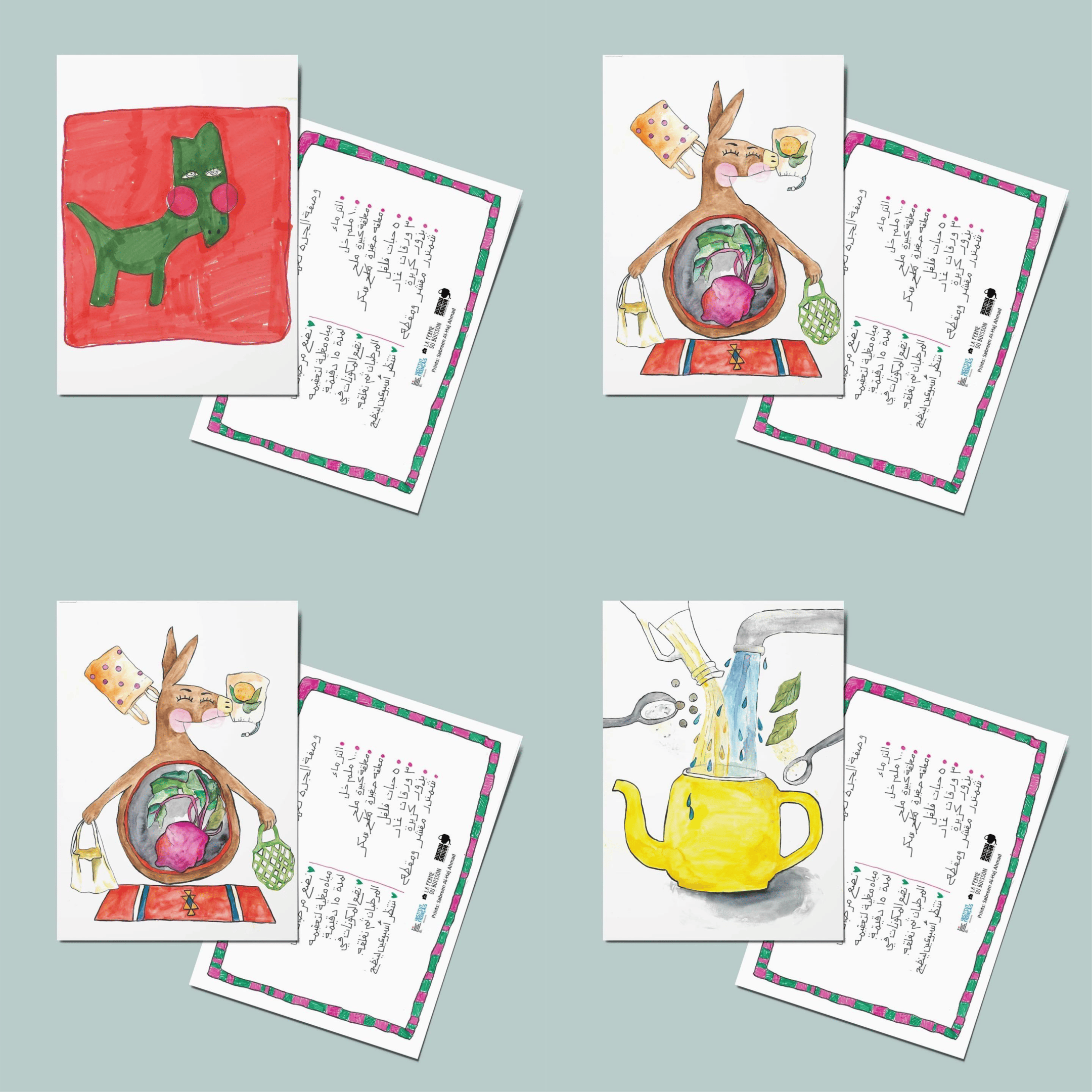
Sabreen Haj Ahmad is a Palestinian researcher and multidisciplinary artist who explores the transformative interplay between colonial environmental change and Indigenous Palestinians. Their art and research focus on the effect of environmental colonialism and gendered violence on Palestinians, Palestinian landscapes, and biodiversity, exploring how these forces reshape the relationship between Palestinian women (and men) and their natural surroundings. By integrating indigenous knowledge into their practice, Haj Ahmad follows an anti-colonial and decolonial approach to examine and view ecological disruption and systemic gendered oppression.

Through a diverse array of media, Haj Ahmad documents and reflects on women’s Narratives and experiences along with her own. In combining Narratives, research with artistic expression, Haj Ahmad explores a compelling commentary on the intersections of nature, identity, and resistance, envisioning and imagining pathways toward a liberated future for Palestine and Indigenous Peoples.


@sabreen_haj_ahmad

Related activities

Meeting
22 Oct 25

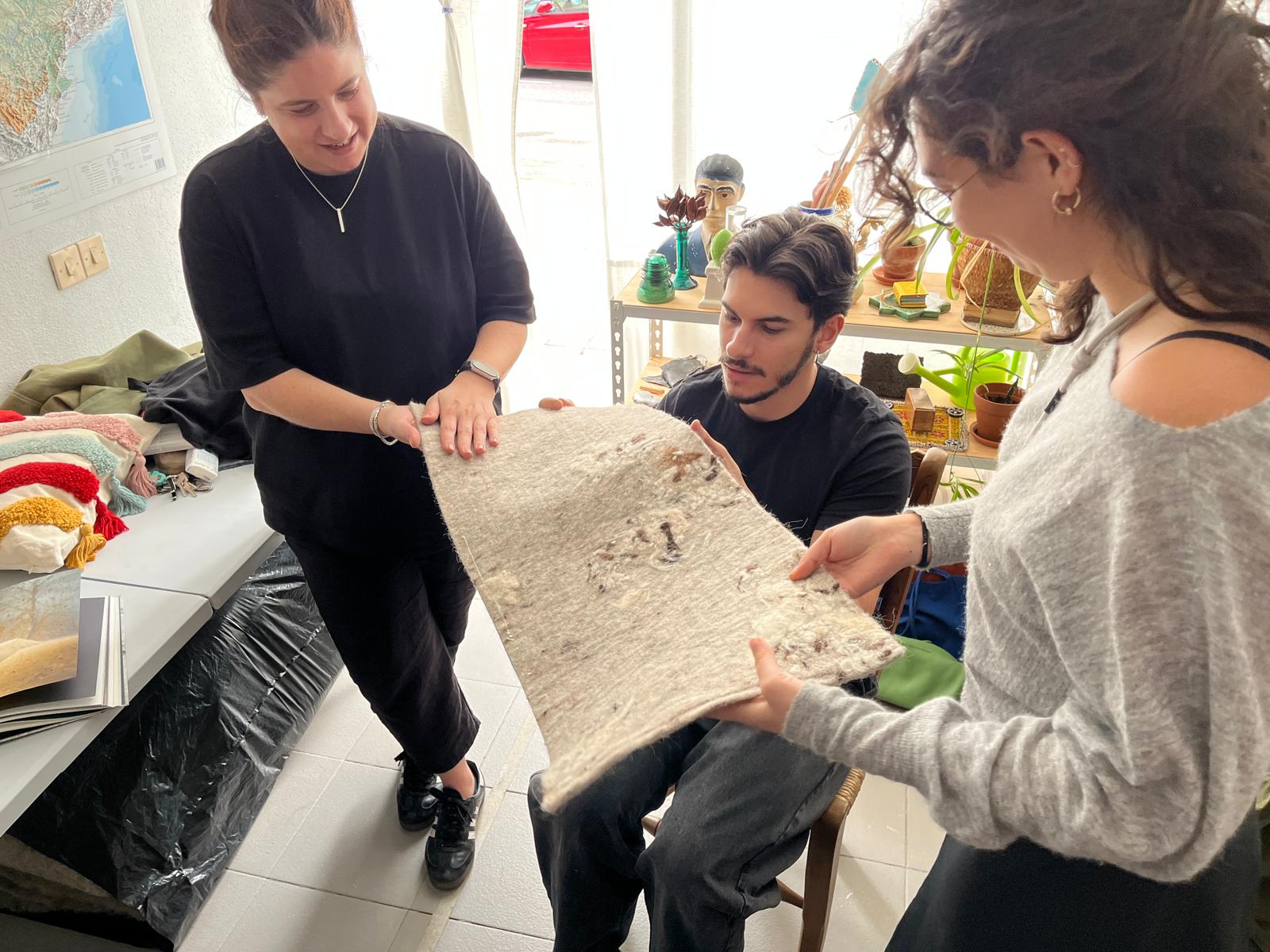
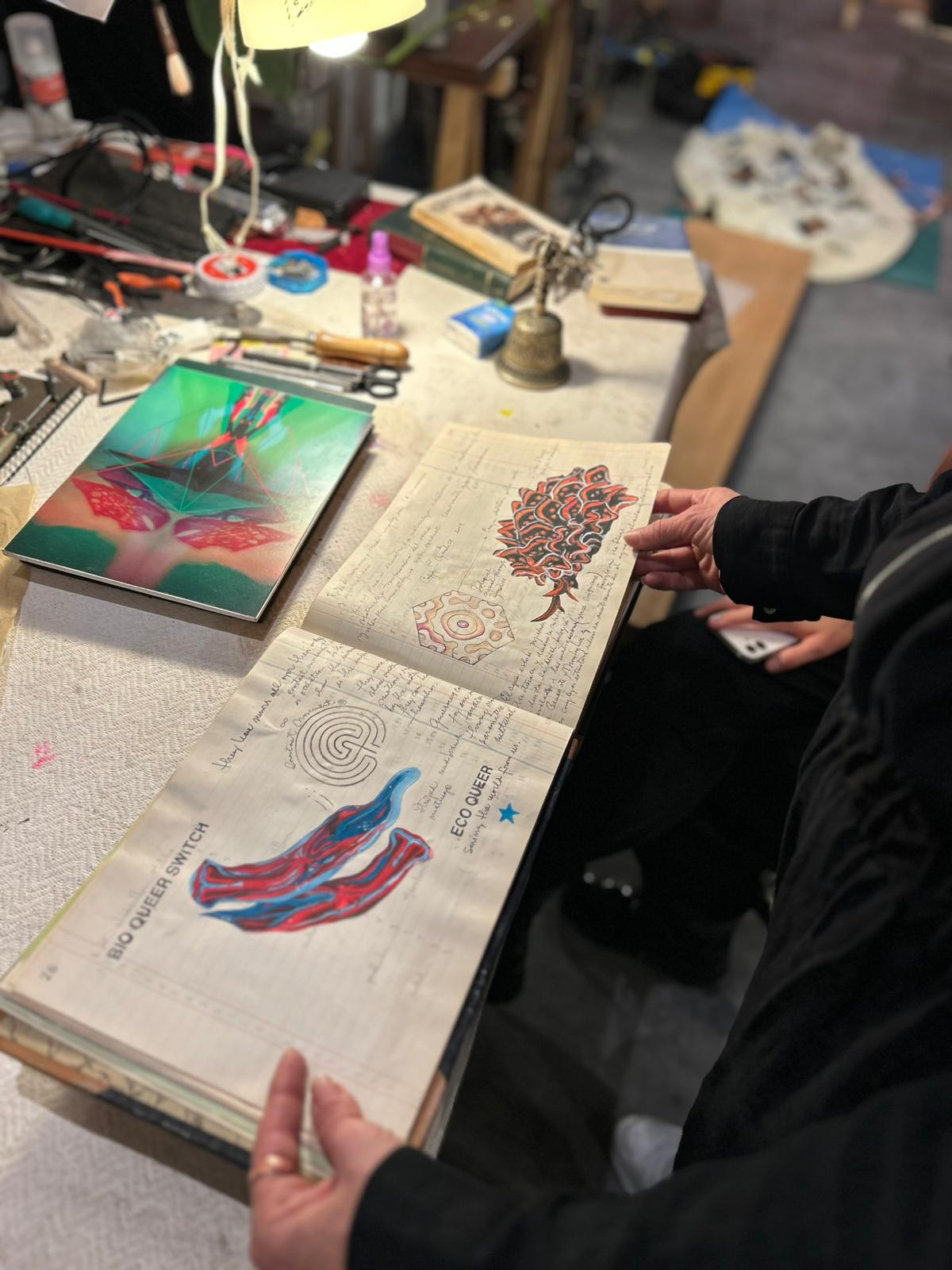
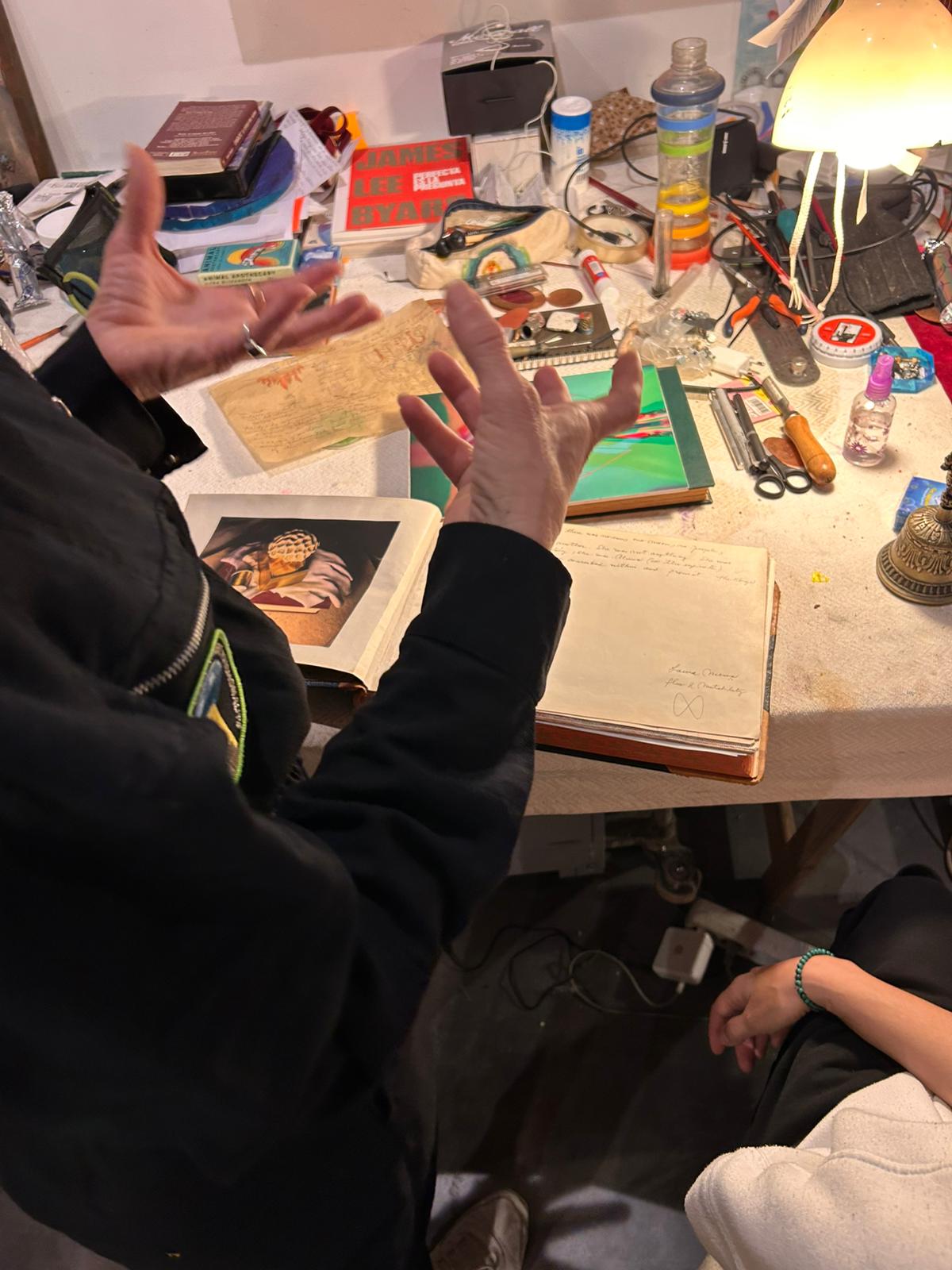
Visit to Asunción Molinos Gordo’s studio

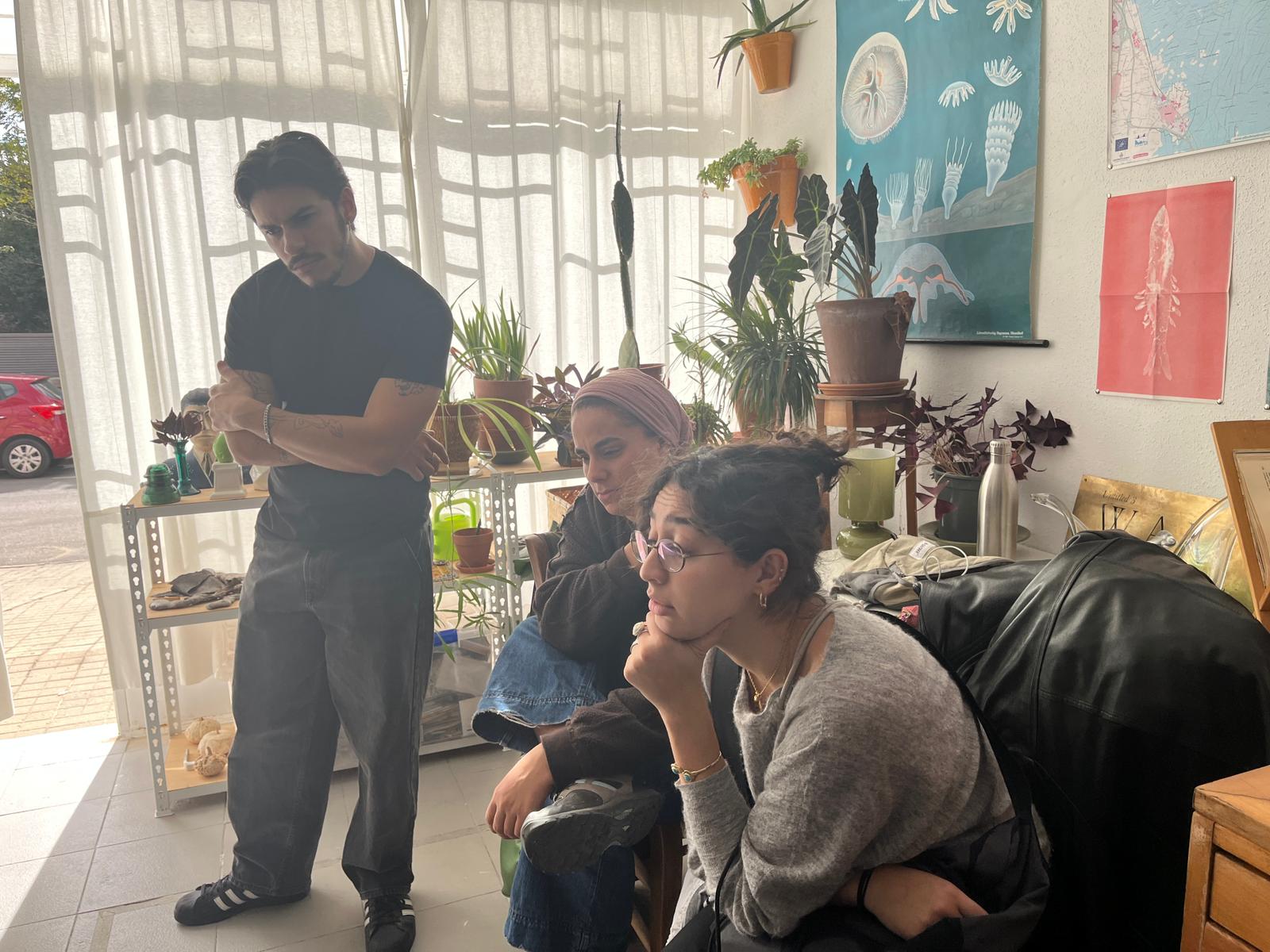
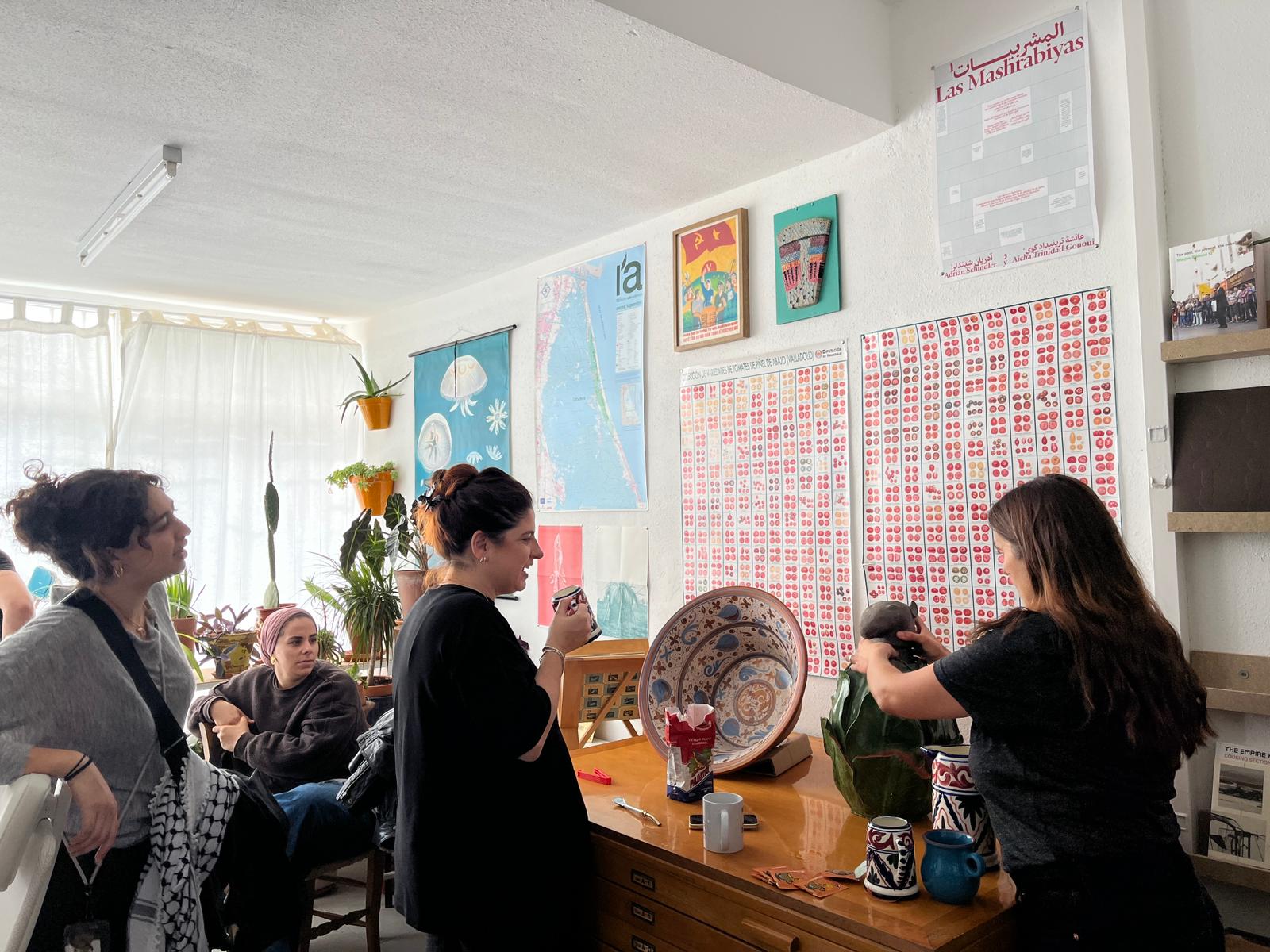
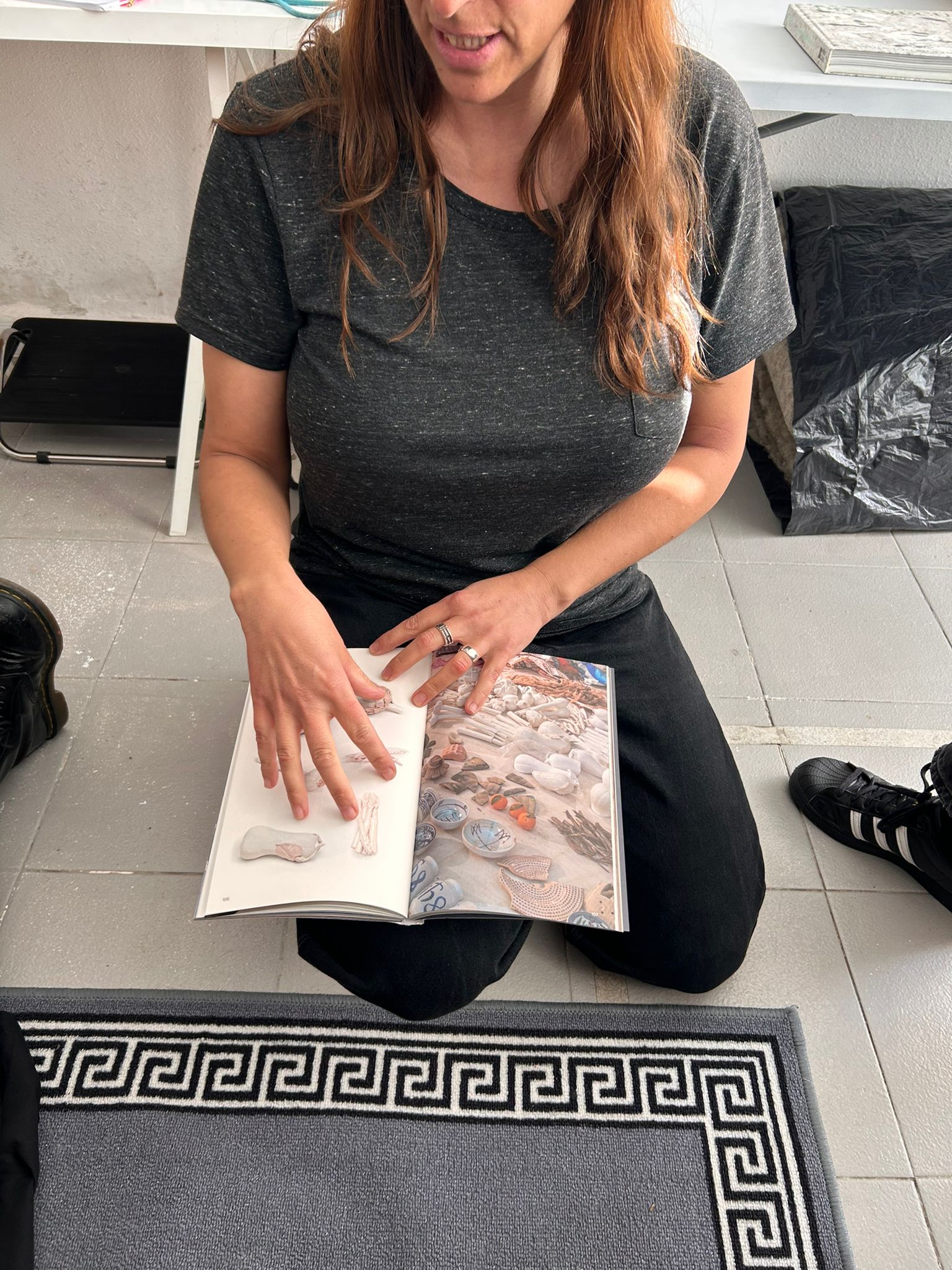
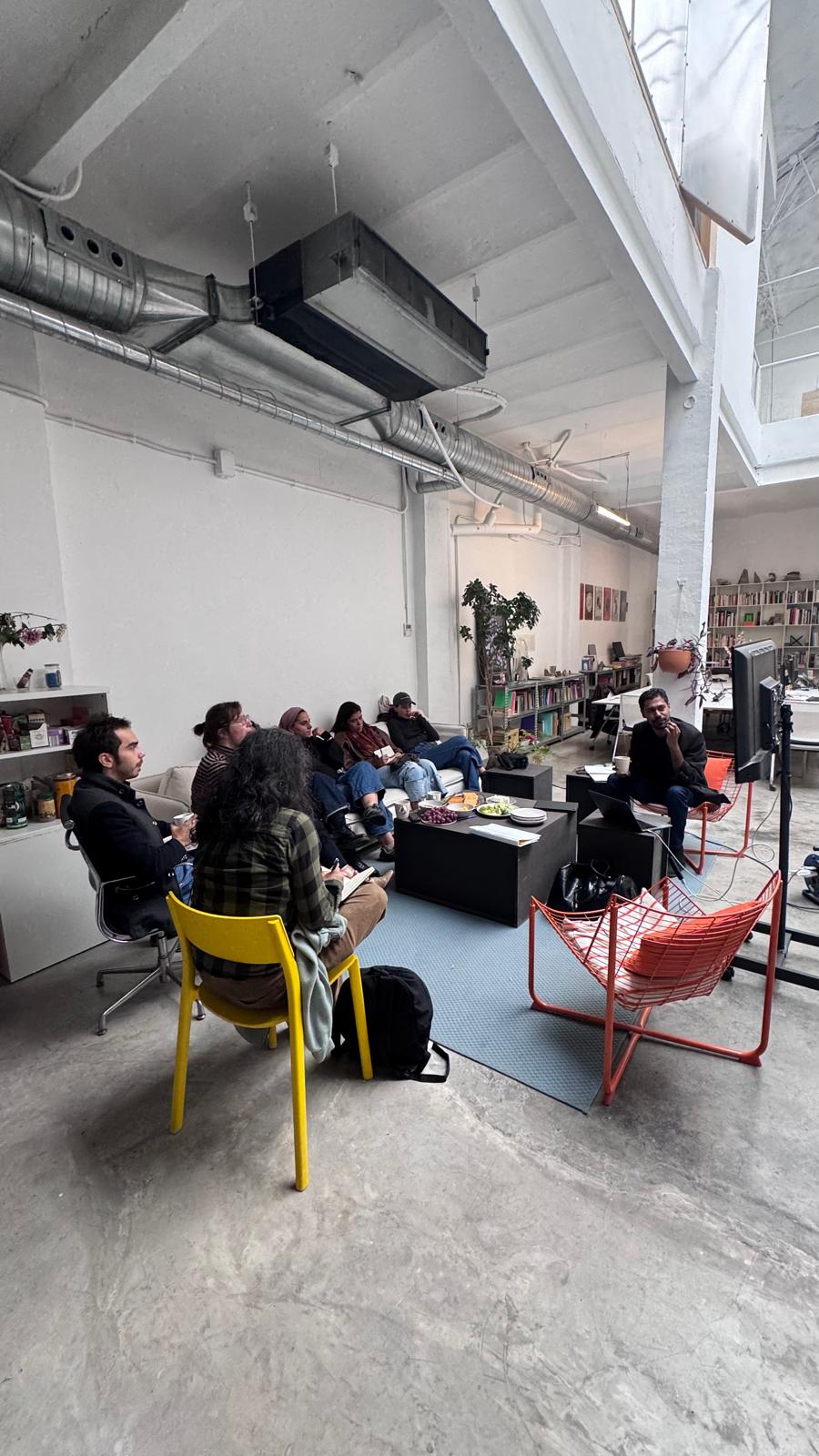
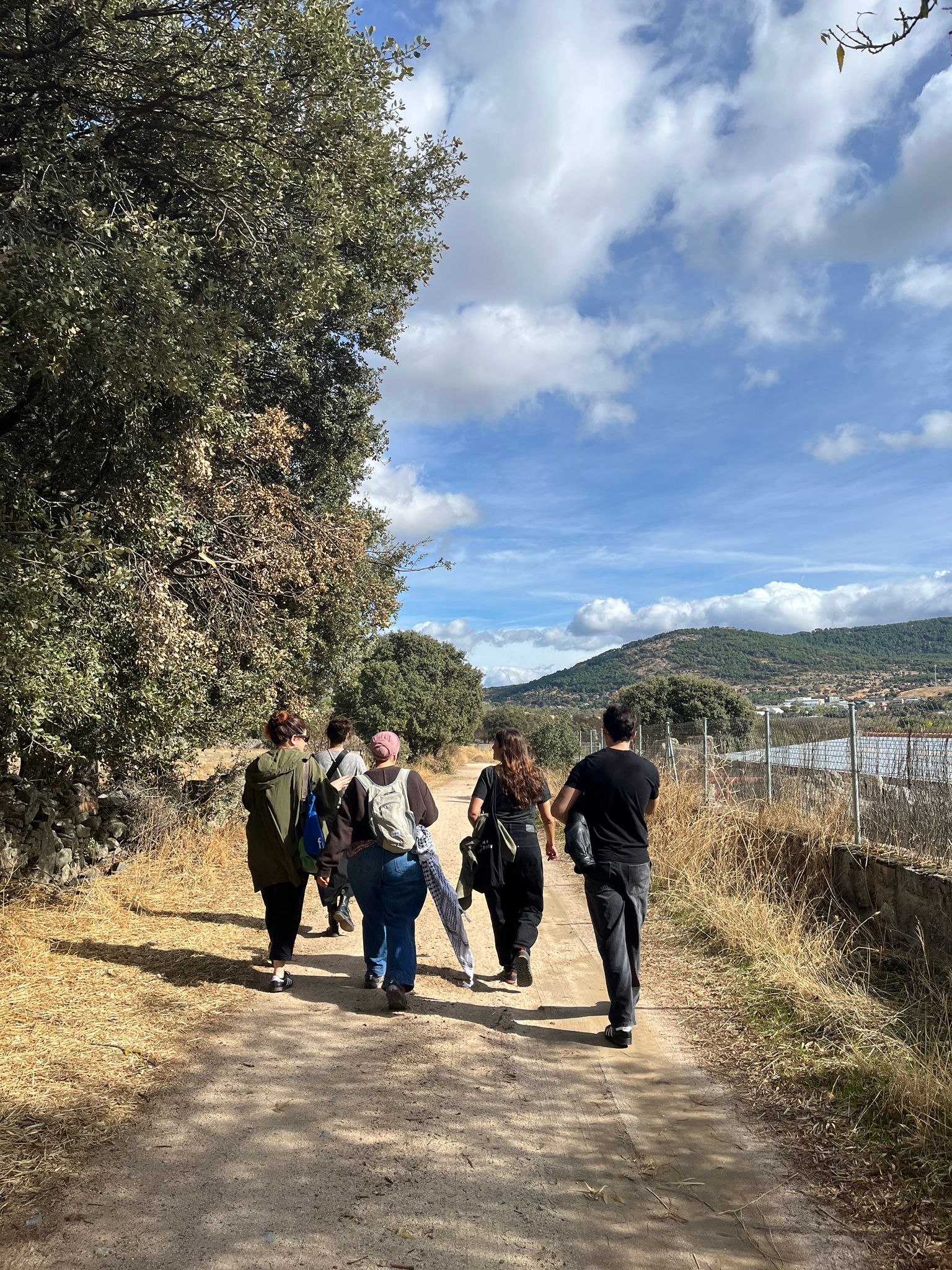
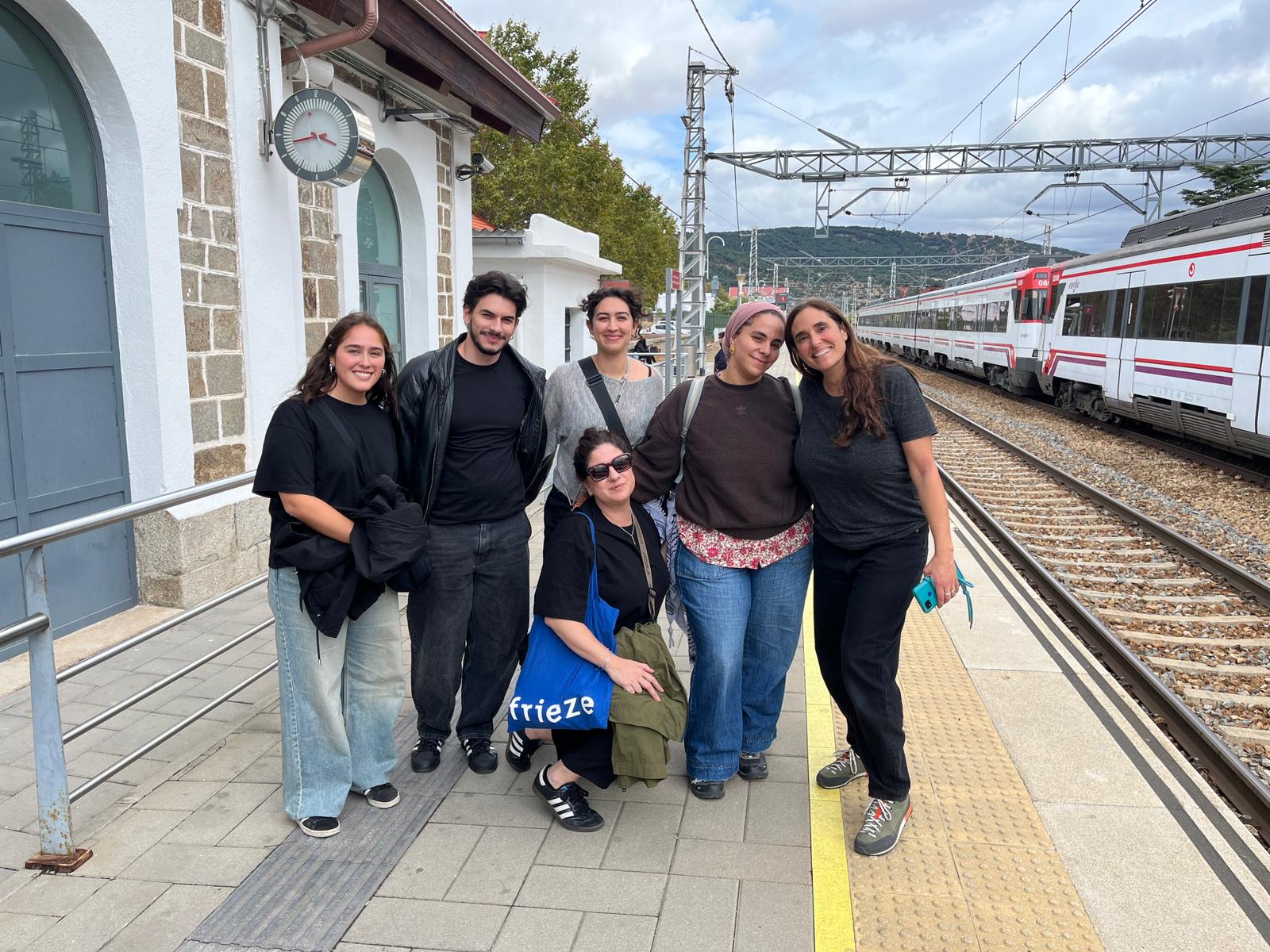
We met with Asunción Molinos Gordo in her studio in Collado Mediano. The day began with a hike in the mountains, a space for conversation and mutual recognition between the artistic practices of TEJA’s Palestinian artists-in-residence—Darina Jabr and Sabreen Haj Ahmad—and Asunción.

The notion of “peasant philosophy,” the core of Asunción’s work, resonated deeply with the residents as a way of thinking that also inhabits their own stories and their connection to the land. We then visited her studio, where we were able to delve into her projects and creative processes.
Meeting
21 Oct 25

Breakfast on Planta Alta

Last Tuesday, October 21st, we shared a breakfast meeting with Planta Alta residents from the Taiwan Cultural Division, #notar, #otheredgesoftheworld, and TEJA programs to discuss, exchange ideas, and continue strengthening ties. It was a space for conversation, listening, and recognition among artists working from different perspectives and contexts. During the meeting, we shared experiences from current and past programs and took the opportunity to continue building a community around art and creation.

29 Oct 25

Visit with the Tentacular Museum team at the Reina Sofía Museum

The Tentacular Museum proposes an institutional approach committed to its social, political, and cultural environment, weaving collaborative networks that expand the museum’s role beyond art and connect it with contemporary movements and realities.

During the visit, in addition to exploring some of the exhibitions, we went to Guernica for a shared reading and reflection on the different historical moments in Spain and Palestine.

Meeting
06 Nov 25

session of artistic criticism and feedback

Our artists-in-residence Darina Jabr and Sabreen Haj Ahmad visited the Institute for Postnatural Studies to participate in an art critique and feedback session.

During the meeting, artist and architect Jawaad ​​Issoop, originally from Mauritius and a participant in the international residency GASP – Global African Sitting Practices, shared his project Intra-Architectures: Stories of Being-with and Survivability.

Meeting Workshops
09 Oct 25

Reclaiming Layla – Little Red Riding Hood Character Design Workshop

On October 9th and 10th, the activity “Reclaiming Layla: Little Red Riding Hood Character Design Workshop” took place, taught by our artists-in-residence Darina Jabr and Sabreen Haj Ahmad, in collaboration with the Círculo de Bellas Artes.

The workshop challenged participants to reimagine the classic tale of Little Red Riding Hood through writing and illustration exercises, with the aim of bringing to life a new Layla—the Arabic name for Little Red Riding Hood—who embodies strength, resilience, and an empowered path to femininity. By reclaiming the power of storytelling, participants questioned inherited archetypes, challenged colonial frameworks, and articulated alternative feminist perspectives rooted in local and personal narratives. This collective exploration sought to open a space for voices that rewrite, resist, and reimagine the stories that shape us.

Meeting
28 Oct 25

Visit to Laura Mema’s studio

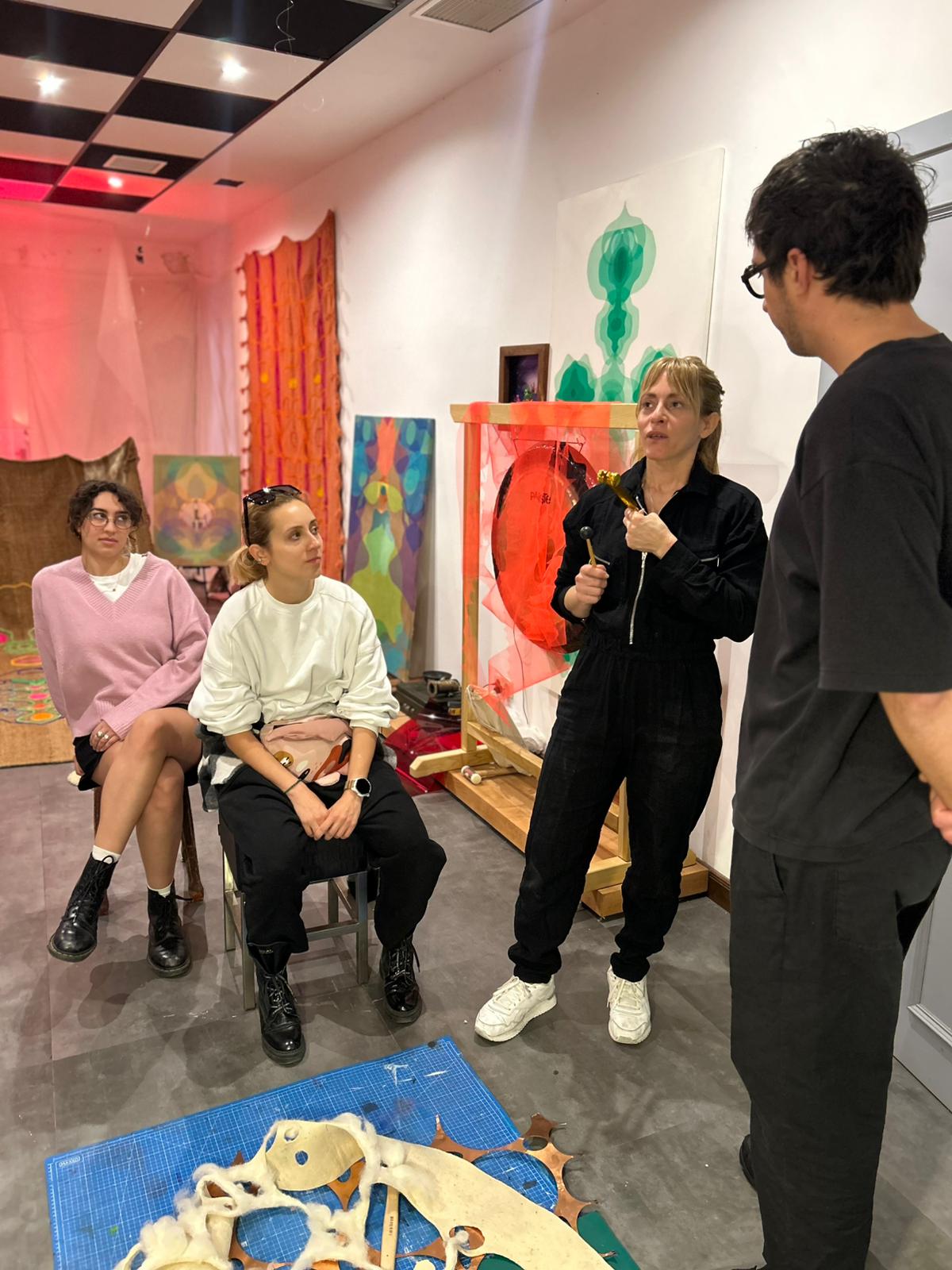
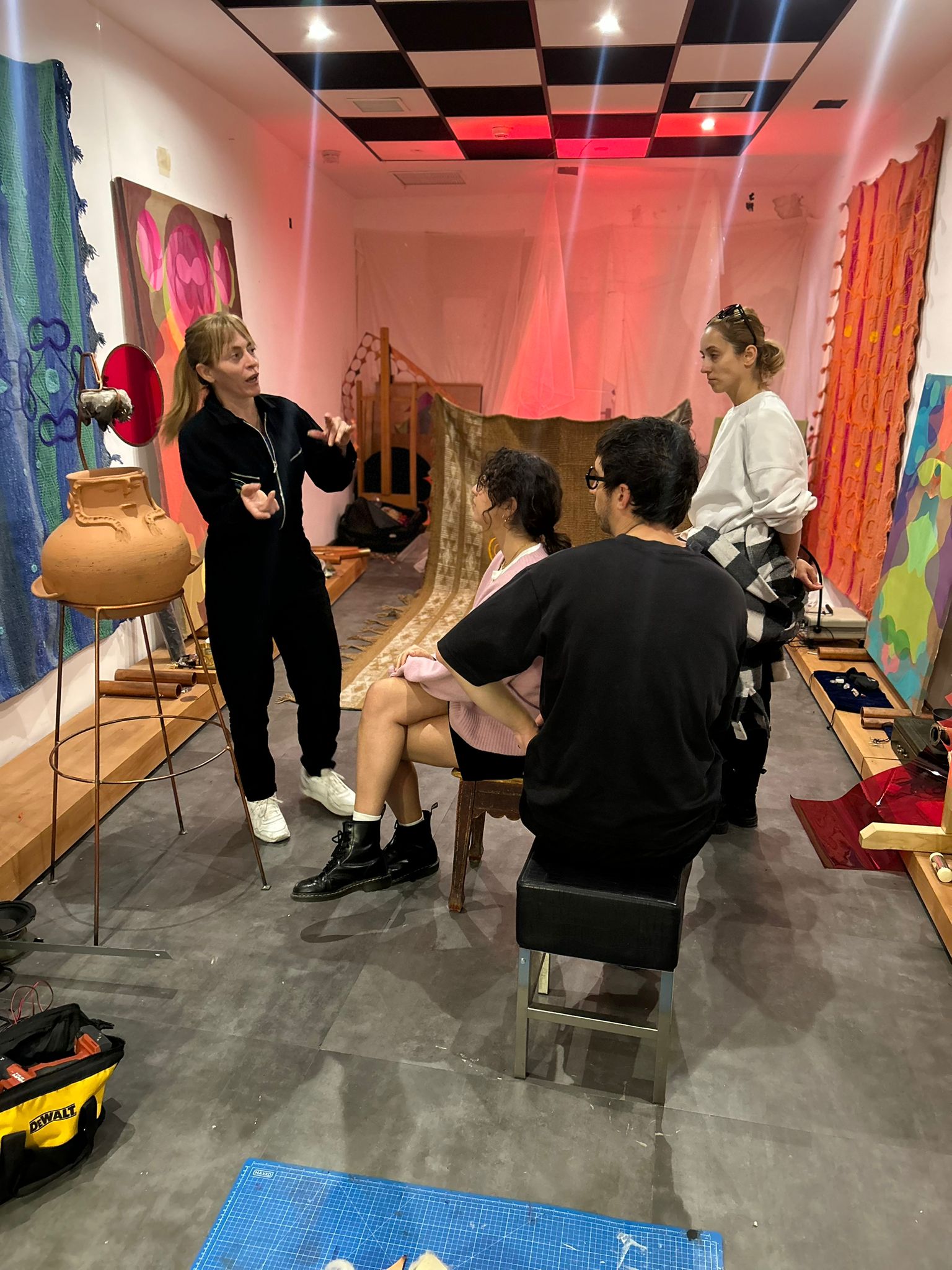
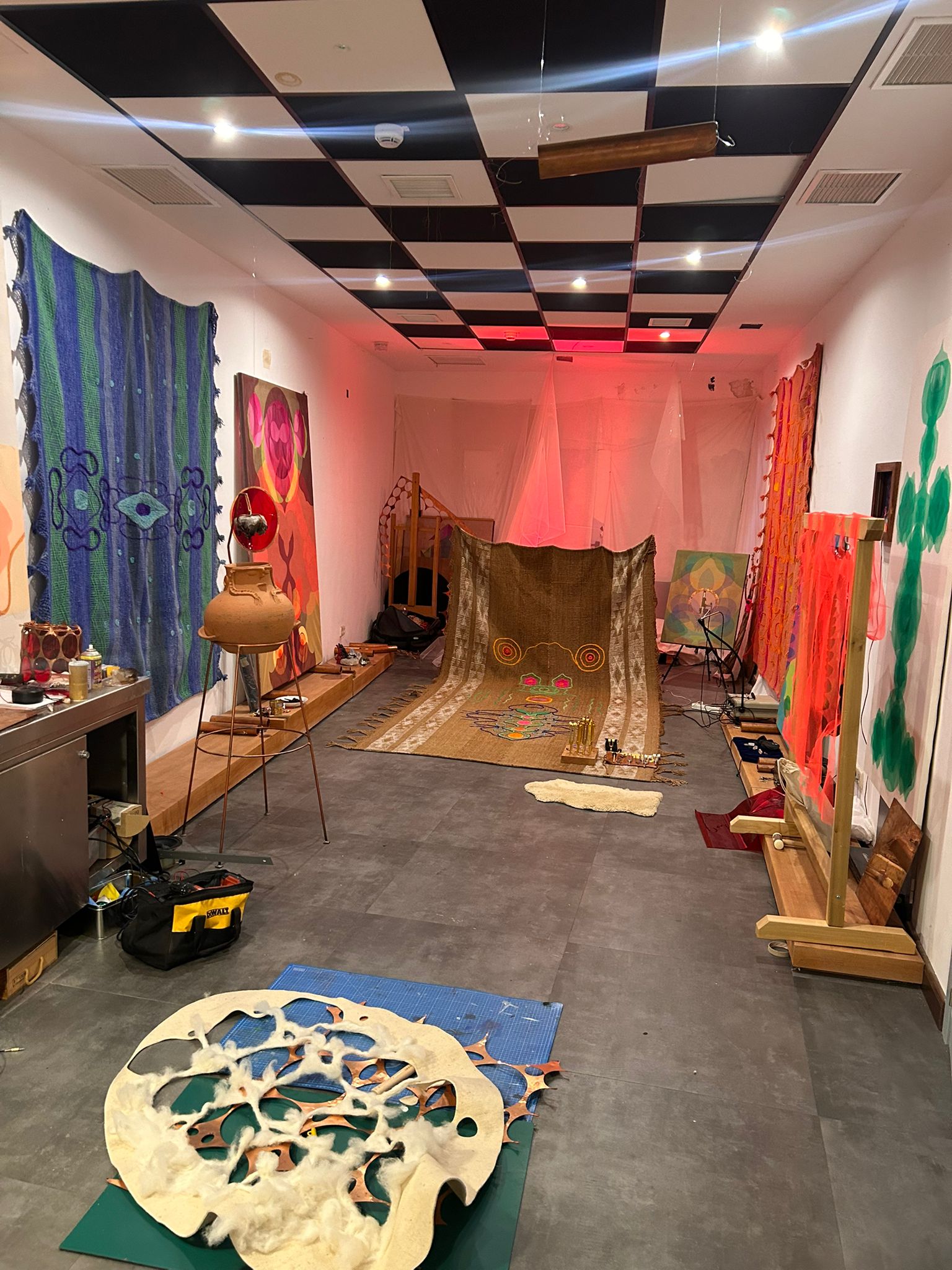
On October 28th, we shared a wonderful gathering at Laura Mema’s studio with the TEJA team and artist-in-residence Darina Jabr.

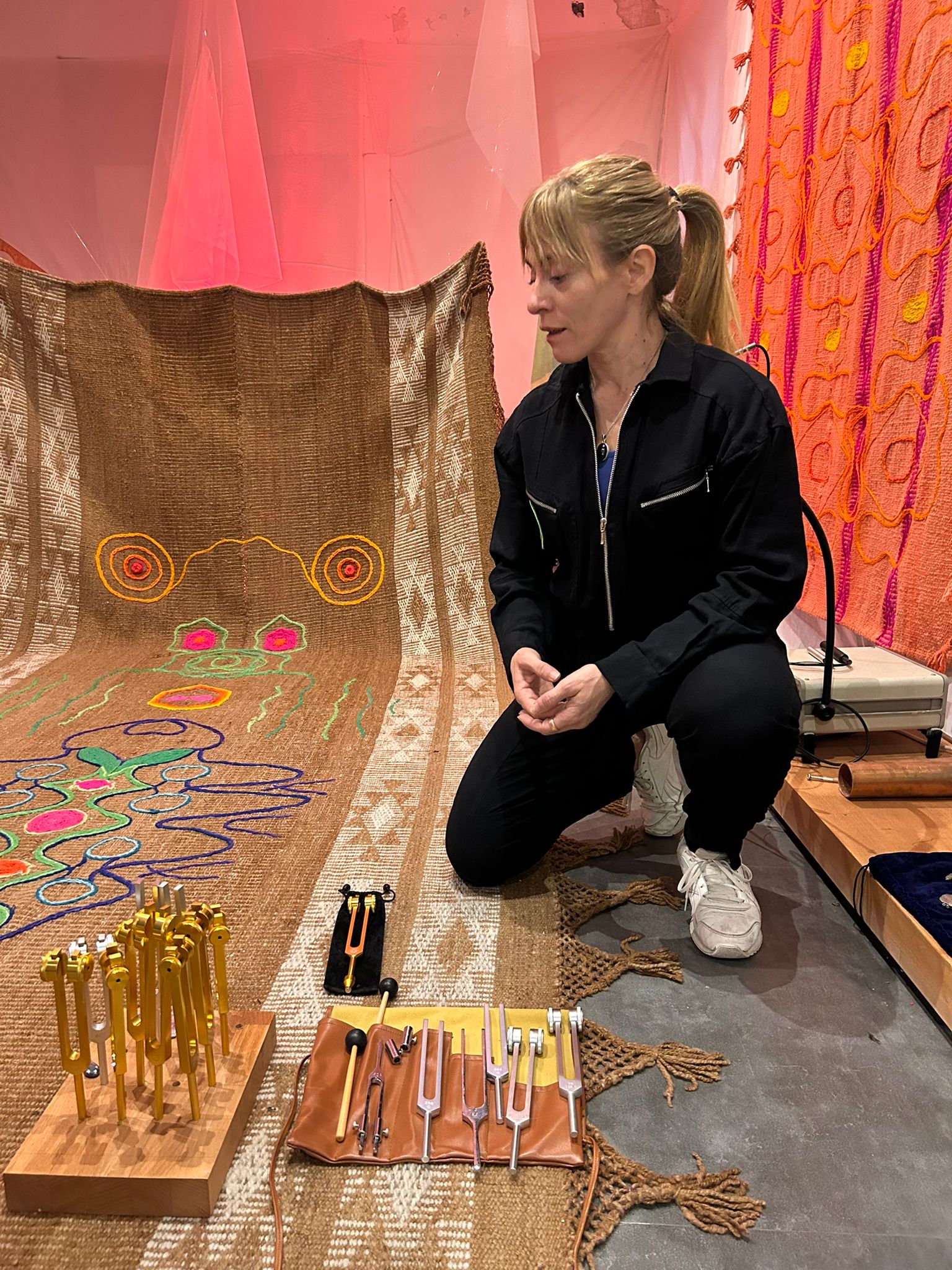
Laura, an artist and researcher, intertwines art, science, and nature, exploring the connections between living beings and the translation of energetic and sonic landscapes into matter. Her work transforms vibrations, geometries, and subtle energies into immersive experiences that invite us to inhabit and feel art as a form of connection and healing. It’s always a pleasure to share spaces and learn more about the artists’ projects.

Presentations
29 Oct 25

Presentation of the portfolios of Darina Jabr, Sabreen Haj Ahmad and Shaima Shiekh Ali to the MNCARS team

On October 29th, our artists in residence Darina Jabr, Sabreen Haj Ahmad and Shaima Sheikh Ali presented their portfolios and the projects they are working on to the Reina Sofía Museum team.

Meeting Presentations
11 Nov 25

Meeting between our artists in residence and the TBA21 team

On Tuesday, November 11th, we met with the TBA21 team, where our three Palestinian artists in residence, Darina Jabr, Sabreen Haj Ahmad, and Shaima Shiek Ali, presented their portfolios and shared their experiences, processes, and projects.

It was a space for dialogue and connection, where themes of memory, territory, identity, and resilience were explored, generating a profound conversation about how art can act as a common language in the face of distance and loss.

Workshops
25 Nov 25

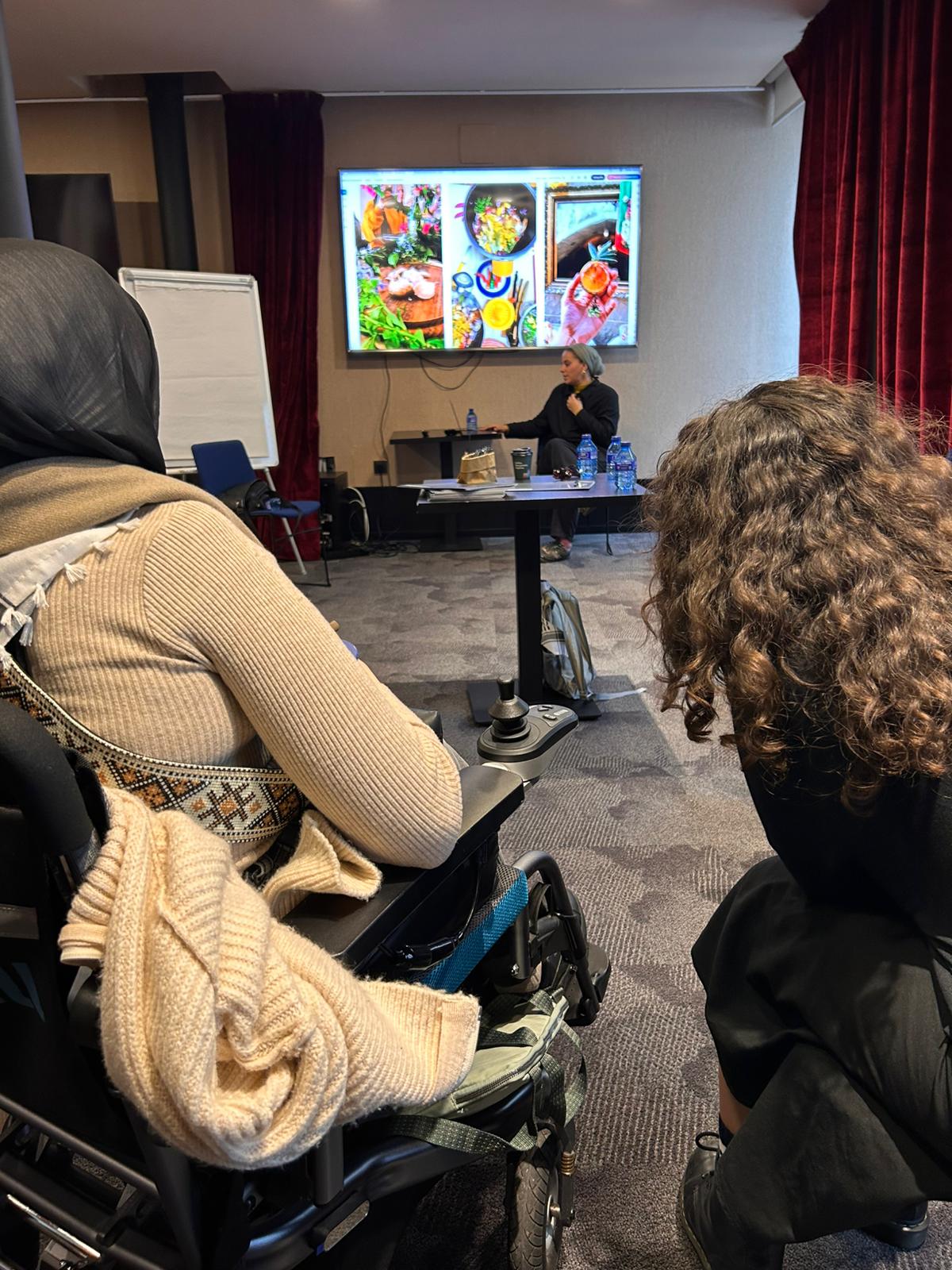
Workshop by artist-in-residence Sabreen Haj Ahmad at La Casa Encendida

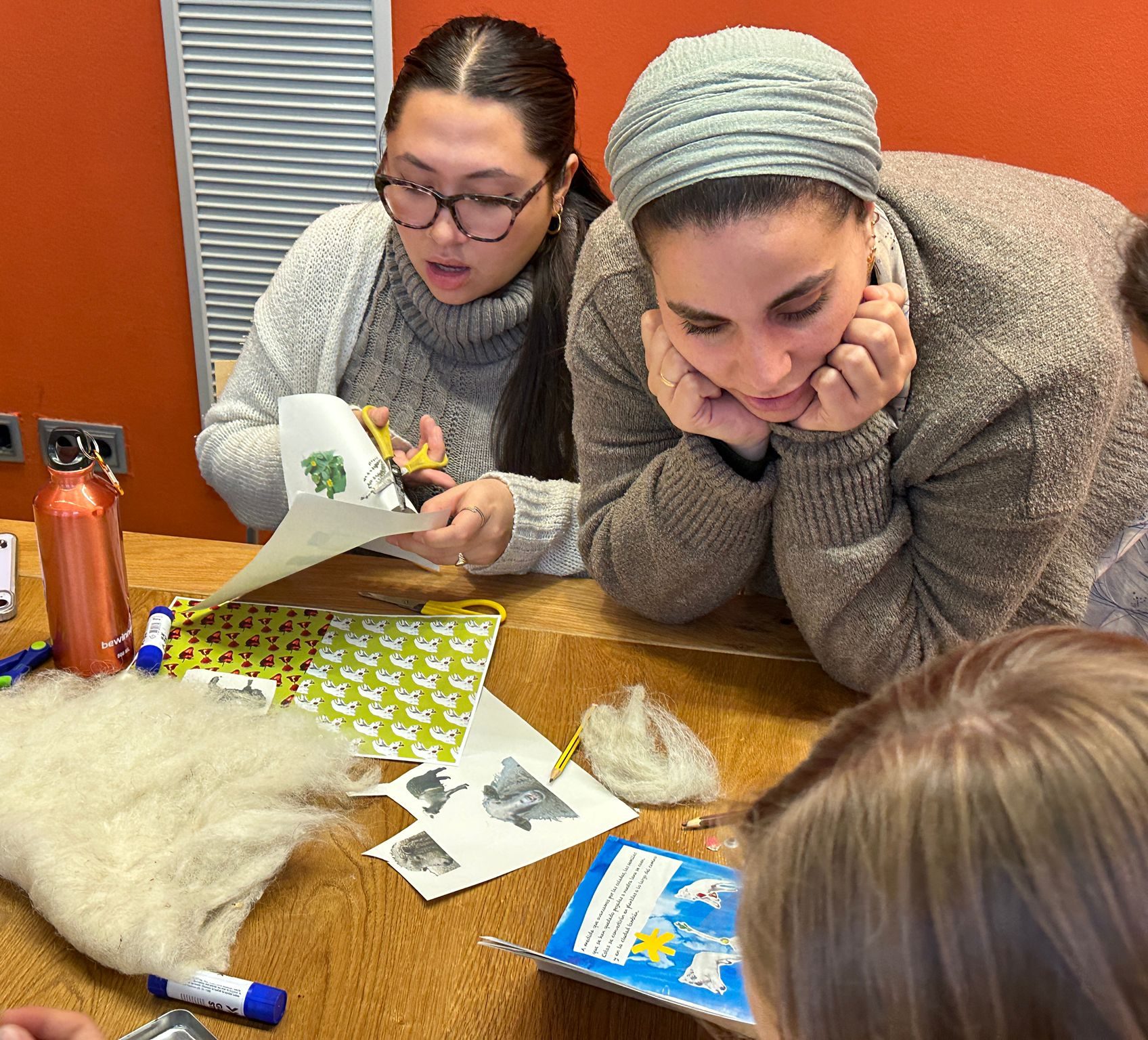
Artist-in-residence Sabreen Haj Ahmad led a workshop at La Casa Encendida focused on her research into the sustainable relationship between humans and nature. Through the story of Siena, a lamb who guides children through the tradition of transhumance, participants learned about local edible plants and the role of seasonal migration in biodiversity. The workshop combined reading the story with a creative activity in which they designed the book’s cover, connecting imagination, knowledge of Mediterranean wild plants, and the value of traditional practices.